
Created by Lucas Luís at Thursday, 12 March 2026
Stellantis may replace French engines with Italian units
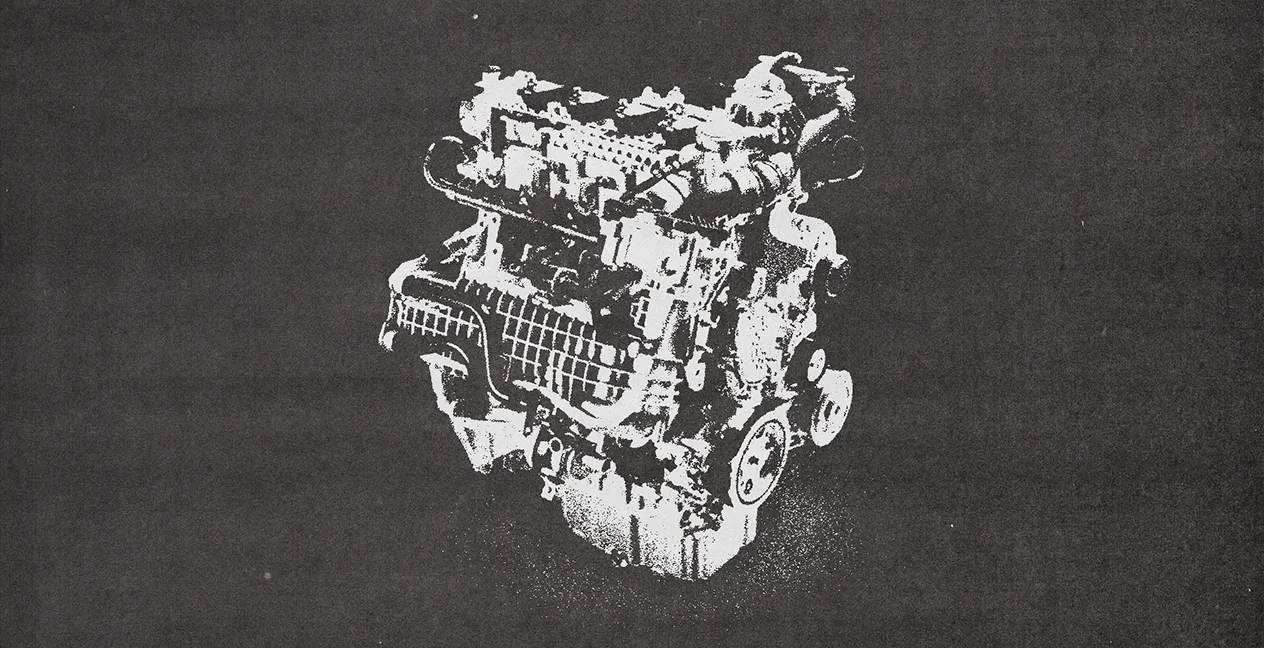
Stellantis may be preparing to make a discreet but potentially significant change in its combustion engine strategy in Europe. After several years focusing mainly on engines of French origin — particularly the well-known PureTech units from Peugeot — the automotive group may begin to give greater prominence to the Italian Firefly engines, originally developed by FIAT.
There is still no official confirmation from Stellantis, but some recent statements clearly point in that direction. During a roundtable at MIMIT (Ministry of Enterprises and Made in Italy), Emanuele Cappellano, CEO of Stellantis Europe, stated that the group has decided to invest in the future of GSE (Global Small Engine) engines to ensure their use beyond 2030.
In practice, this means that the Firefly engines, also known as GSE, could take on a more relevant role in Stellantis’ European lineup in the coming years.
Firefly gains new prominence
The Firefly engines were developed by FIAT and include three- and four-cylinder versions, with a relatively simple architecture and technical solutions considered robust. One of the major advantages of these engines is that they were designed from the start to work alongside electrification systems, including mild-hybrid, conventional hybrid, and plug-in hybrid setups.
Currently, these engines still have limited presence in Europe. They are available, for example, in the FIAT Pandina, the new Fiat 500 Hybrid (with a three-cylinder, one-liter engine), and the Alfa Romeo Tonale, in the 1.3 and 1.5-liter four-cylinder variants.
However, outside Europe — especially in South America — the Firefly engines are already widely used. Stellantis brands such as FIAT, Jeep, Peugeot, and Citroën rely on these engines in several models, demonstrating their versatility within the group.
For the automotive group, focusing on this family of engines may bring several strategic advantages. On one hand, it allows the company to simplify its range of powertrains, concentrating investment and development on a common technical base. On the other hand, it may help address some reputation issues associated with previous engines.
An industrial decision as well
There is also an important industrial component behind this possible shift. Production of Firefly engines is already well established in Stellantis factories in Betim, Brazil, and in Termoli, Italy.
If the strategy is confirmed and these engines begin to equip more models within the group in Europe, it is likely that production will be expanded to other industrial units.
Transition expected to be gradual
Even if Stellantis confirms this new direction, the transition will not be immediate. Firefly engines will first need to be adapted to the Euro 7 standard, which comes into force on November 29, 2026.
After that, the replacement of the current 1.2 Turbo engines is expected to happen gradually, following the natural renewal cycle of the different brands’ models within the group.
This possible change also represents an adjustment in the internal balance of Stellantis. Since the creation of the group in 2021, technical solutions of French origin have been dominant in compact models. In the coming years, the spotlight may shift more toward Italian engineering, with Firefly engines gaining a central role in the group’s strategy in Europe.
Source: Razão Automóvel