
Created by Lucas Luís at Wednesday, 28 January 2026
Car damaged by a storm? Find out what you should do now
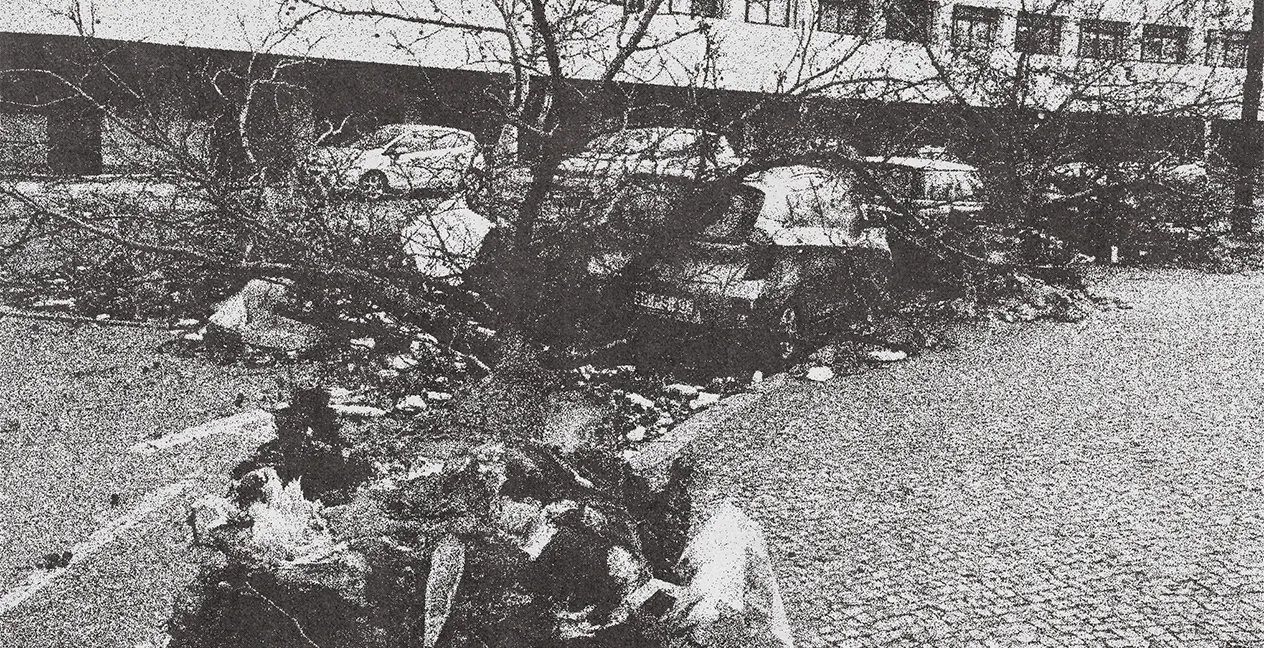
Storms and intense severe weather phenomena have caused, across the country, fallen trees, flooding, and other incidents that end up directly affecting automobiles. If your car was damaged after a storm, there are a number of important steps to follow to ensure your safety and protect your rights.
What to do immediately after the damage
The first step is simple but essential. Document everything. Before removing the vehicle or changing the situation, photograph the damage in detail, including the surrounding location, the license plate, and the elements that caused the damage, such as fallen trees, walls, or signs. These images will be essential for insurance purposes or for any eventual determination of liability.
If the car is obstructing the public road or there is a safety risk, you should contact the authorities so that the situation can be recorded and resolved safely.
Should you contact your car insurance?
Yes, and the sooner the better. However, it is important to understand that not all insurance policies cover damage caused by natural phenomena. Mandatory third-party liability insurance does not cover this type of situation. Only policies with own-damage coverage, often known as comprehensive insurance, may include coverage for storms, flooding, or falling trees, provided that this clause is included in the policy.
The deadlines for reporting a claim vary between insurers but usually range between four and eight days. The recommendation is to file the claim as quickly as possible to avoid obstacles in the process.
What if a tree or structure is on top of the car?
If the vehicle is secure and immobilized, you can use the roadside assistance included in the policy. Even so, removal should only take place after the damage has been properly recorded and when the authorities confirm that the location is safe.
Who is responsible for the damage to the car?
Responsibility always depends on the specific case. In many severe weather situations, the principle of force majeure applies, which may exclude direct liability. Even so, there are exceptions.
If the damage is caused by a tree or public infrastructure, such as a wall or signage, you can try to determine the responsibility of the public entity, usually the municipality. To do so, you must submit a formal request accompanied by evidence. Compensation will only be due if a lack of maintenance or care is proven.
When the damage results from property belonging to a private individual, such as a tree or part of a neighboring house, responsibility may fall on the owner, through their multi-risk insurance with civil liability coverage. In the absence of insurance or an agreement between the parties, the costs may have to be borne by the vehicle owner.
What to do if you do not have insurance coverage?
If you do not have own-damage insurance and it is not possible to determine third-party liability, the losses will ultimately have to be borne by the car owner. This is one of the reasons why it is important to carefully review car insurance coverages and fully understand the level of protection contracted.
Extreme weather phenomena tend to become more frequent, and knowing how to act can make all the difference in a moment of stress. Being informed helps you react better and avoid greater losses when the unexpected happens.
Sources: Expresso and CGD
Photo: Luís Filipe Coito