

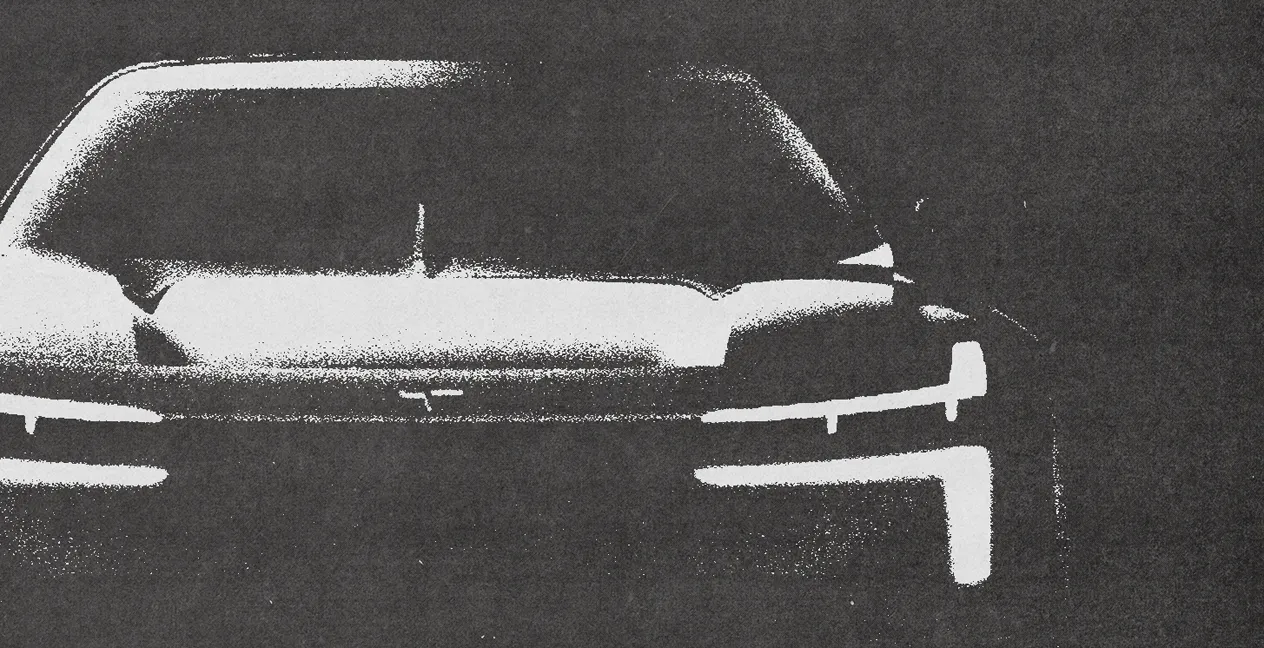
Polestar Formula 2030 reveals the future of the brand’s electric cars
Created by Daniela Ezequiel at Wednesday, 11 November 2026
Polestar has unveiled the Formula 2030, a prototype that previews the future of the Swedish brand’s electric cars. With a sportier design, new technological solutions and a cabin capable of changing configuration, this concept reveals some of the innovations that could reach the manufacturer’s future models.
But there is one detail that deserves particular attention: the return of physical buttons to the interior. After several years in which touchscreens gained prominence in the automotive industry, Polestar intends to find a new balance between technology, functionality and the driving experience.
The Formula 2030 is not a model intended for production, but rather a design and innovation exercise that presents the brand’s vision for the coming years.
A sportier design for future Polestar models
Developed under the direction of Philipp Römers, Polestar’s Head of Design, the Formula 2030 features a low and wide silhouette, with proportions that reinforce its sporty character.
The prototype measures 4.68 metres in length, 2.02 metres in width and just 1.35 metres in height. The wheelbase is 2.78 metres, while the 22-inch wheels help create a more imposing appearance.
At the front, the familiar Dual Blade lighting signature receives a more expressive interpretation, integrated into a front end inspired by the nose of a shark. In profile, the body takes on a shooting brake style, combining an elongated silhouette with a coupé-inspired rear.
At the back, the new Single Blade lighting signature stands out, replacing the traditional continuous light bar used on the brand’s models.
The Formula 2030 also introduces the Nitrogen colour, a bluish-white shade whose appearance changes depending on the way the light falls on it. Polestar therefore intends to explore a more expressive visual identity without abandoning the minimalism that characterises its cars.
The return of physical buttons is one of the major new features
Christian von Koenigsegg tar patent på flygplansmodell. Ska biltillverkaren börja göra flygplan? | Feber / Fordon
It is inside the cabin that we find one of the most interesting changes in the Polestar Formula 2030.
Despite retaining a minimalist environment, the brand brings back physical controls for certain vehicle functions, reducing its exclusive reliance on touchscreens.
The centre console features eight customisable controls, including switches and rotary selectors, allowing the driver to configure shortcuts to the functions they use most frequently.
The infotainment system continues to focus on digital technology, with integrated Google services and the Gemini artificial intelligence assistant.
The idea is to combine the ease of use of traditional buttons with the possibilities offered by the latest digital systems.
A cabin that changes depending on the driving mode
Another distinctive feature of the Formula 2030 is the ability to physically adapt certain cabin elements according to the selected driving mode.
The prototype features a 20-inch HyperDMI instrument panel mounted directly on the steering column and a 12.2-inch central display with adjustable tilt.
The system provides three different configurations:
Normal: maintains a balanced arrangement of the cabin elements for everyday driving.
Performance: brings the steering wheel closer to the driver and retracts the central screen to provide a more immersive driving experience.
Autonomous: designed to explore fully autonomous driving, allowing the steering wheel to retract, the seat to recline and the central screen to rise.
These functions are part of the concept presented by Polestar and do not represent equipment already confirmed for future production models.
The seats also include a solution called Air Inflatable Bolster, consisting of inflatable supports that adjust lateral and back support to the occupants’ bodies and driving style.
The interior configuration is completed by four individual seats and rear-hinged doors, making access to the cabin easier.
Sustainability remains part of the strategy
Environmental considerations are also present in the development of the Formula 2030.
Polestar uses materials designed to facilitate recycling, including components produced from a single raw material. This approach aims to simplify the separation and reuse of materials at the end of their useful life.
Among the solutions presented are low-emission steel structures and bio-based materials, including a composite that combines European flax with bio-based polypropylene.
Some structural elements remain visible inside the cabin, becoming part of the prototype’s own aesthetic language.
When will these innovations reach future Polestar models?
Although the Formula 2030 was not developed to go directly into production, some of its solutions are expected to influence the brand’s future electric cars.
The next generation of the Polestar 2, scheduled for 2027, could incorporate elements of the visual language presented in the prototype, particularly the evolution of the front and rear lighting signatures.
The future Polestar 7, scheduled for 2028, could introduce some of the cabin innovations, including the physical controls. This model is expected to be positioned as the most affordable offering in the Polestar range, competing with cars such as the BMW X1, Audi Q3 and Mercedes-Benz GLA.
For now, the brand has not confirmed which of these technologies will actually reach production, nor whether they will be retained exactly as presented.
Above all, the Polestar Formula 2030 shows a vision for the future of electric cars, where sporty design, technology and sustainability coexist with greater attention to the driver experience.
And the return of physical buttons demonstrates that technological evolution does not always mean replacing everything with screens. Sometimes, the future also involves bringing back solutions that make a car simpler and more intuitive to use.
Sources: Razão Automóvel, A Notícia, Turbo