

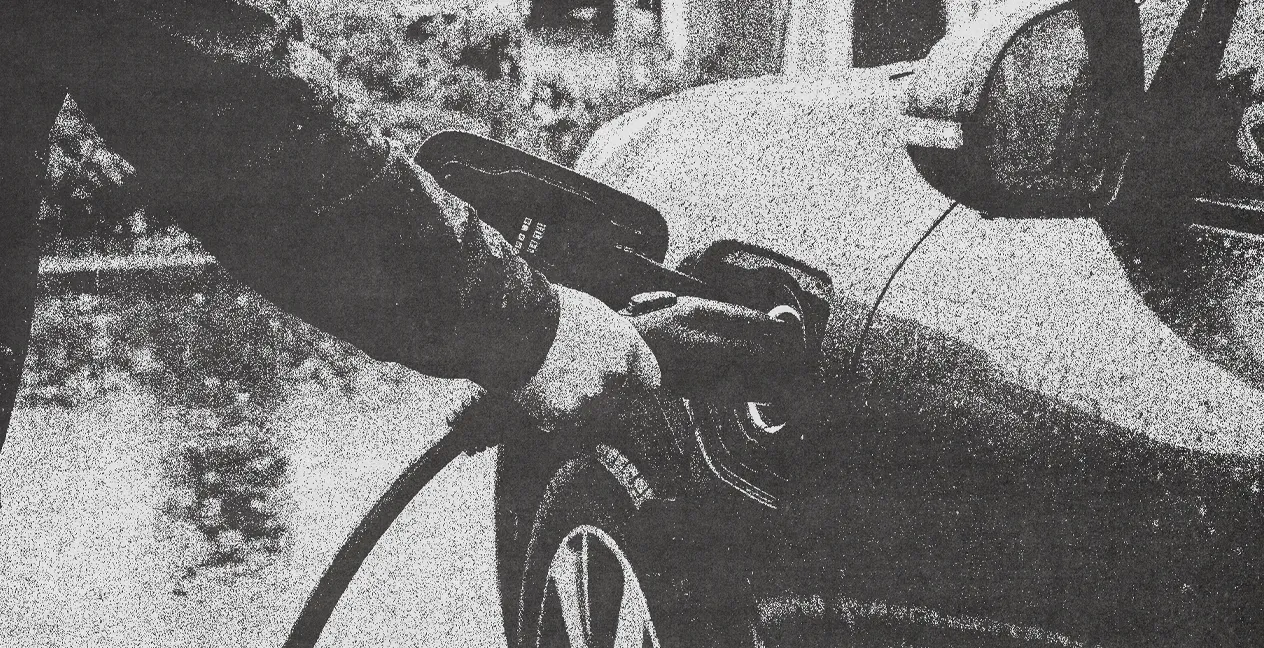
Is it safe to charge an electric car in the rain? Find out here
Created by Daniela Ezequiel at Wednesday, 11 November 2026
Rain and electricity may seem like a dangerous combination, especially when it comes time to connect an electric car to an outdoor charging point. But is there really any risk? The answer is simple: yes, it is safe to charge an electric car in the rain, as long as the equipment is in good condition and used correctly.
Electric cars and charging stations are designed to operate in different weather conditions, including rainy days. However, there are some important precautions you should be aware of, especially during storms, thunderstorms or periods of heavy rain.
Why is it safe to charge an electric car in the rain?
Electric vehicles have safety systems that protect high-voltage components from contact with water. The batteries and electrical circuits are properly insulated, allowing the car to be driven and charged in normal rainy conditions.
The same applies to charging stations designed for outdoor use. These systems have protection against water ingress and mechanisms that check whether the necessary conditions are met before charging begins.
Before power starts flowing, the vehicle and charger communicate with each other to confirm that the connection is safe. If certain faults are detected, the system can prevent charging from starting or interrupt it automatically.
This means you do not need to wait for the rain to stop before charging your electric car. Even so, it is essential to follow the manufacturer’s instructions and make sure the equipment is in good condition.
What precautions should you take when charging an electric car in the rain?
Despite the protection systems, there are some precautions that help ensure safe charging, both at public charging points and at home.
Before connecting the cable, check for visible damage such as cuts, exposed wires, broken parts or signs of burning. Also make sure that the connector contacts are clean and that no water has accumulated.
Avoid leaving the cable in puddles, especially if there is a risk of it becoming submerged, and make sure it is not positioned where it could be stepped on or driven over.
If you notice any fault with the charging station, do not try to fix the problem yourself. The safest option is to contact the operator and use another charging point.
And what if you charge your electric car at home?
Home charging can also be carried out outdoors, provided the electrical installation and equipment are suitable for that environment.
If you use a wallbox, make sure it was installed by a qualified professional and has the necessary protection. Avoid extension leads, multi-socket adapters or improvised connectors, especially in areas exposed to rain.
Is it safe to charge an electric car during a thunderstorm?
This situation requires additional precautions.
Although charging systems include electrical protection mechanisms, a thunderstorm involves risks that go beyond the rain itself. Lightning strikes can cause power surges and damage the electrical circuits of the car or charging station.
For this reason, if a thunderstorm is occurring, the most prudent option is to postpone charging until weather conditions improve.
If the car is already connected, avoid going outside during the thunderstorm just to disconnect the cable. Seek shelter and follow the recommendations of the manufacturer and the authorities.
The same precaution applies to flooding. If the charging station is in a flooded area or water prevents safe access to the equipment, do not attempt to connect or disconnect the vehicle.
If the car has been partially or completely submerged, do not charge it before it has been assessed by a specialist.
Does driving an electric car in the rain also require extra care?
Yes. Although electric cars are designed to be driven in the rain, grip and visibility conditions remain a challenge, just as they are with petrol or diesel vehicles.
One of the main characteristics of electric cars is their almost immediate power delivery. On very wet roads, sudden acceleration can cause a loss of grip, especially if the tyres are worn.
Regenerative braking also deserves attention. This system recovers energy during deceleration, but in certain slippery-road conditions, very strong regeneration can make driving less smooth. When recommended by the manufacturer and supported by the vehicle, it may be advisable to select a lower level of regeneration.
It is also important to moderate your speed, increase the safety distance and avoid driving through flooded areas, even when the water appears shallow.
Aquaplaning, which occurs when the tyres lose contact with the road surface due to accumulated water, is another risk that should not be ignored.
Can cold weather and rain affect electric car range?
On colder days, it is normal for the range of an electric car to decrease. This happens because part of the battery’s energy is used to heat the cabin and manage the temperature of the vehicle’s components.
A cold battery may also take longer to charge, depending on the temperature, the car model and the power available at the charging point.
During periods of heavy rain, frequent use of the windscreen wipers, climate control and demister also contributes to energy consumption.
If you are planning a long journey in bad weather, try to start with a larger battery reserve than usual. It is also advisable to check the availability of charging points along the route and identify alternatives.
Some electric cars also allow you to preheat the cabin and prepare the battery before the journey, helping to optimise energy consumption and charging conditions.
In short, charging an electric car in the rain is safe and does not, in itself, represent an increased danger. Suitable vehicles and equipment are designed to cope with normal rainfall conditions.
The important thing is to use equipment in good condition, follow the manufacturers’ recommendations and take extra precautions during extreme weather conditions.
After all, whether electric, hybrid or combustion-powered, safety should always come first.
Sources: Repsol, Notícias ao Minuto, Turbo