
Created by Cynthia Batista at Monday, 18 May 2026
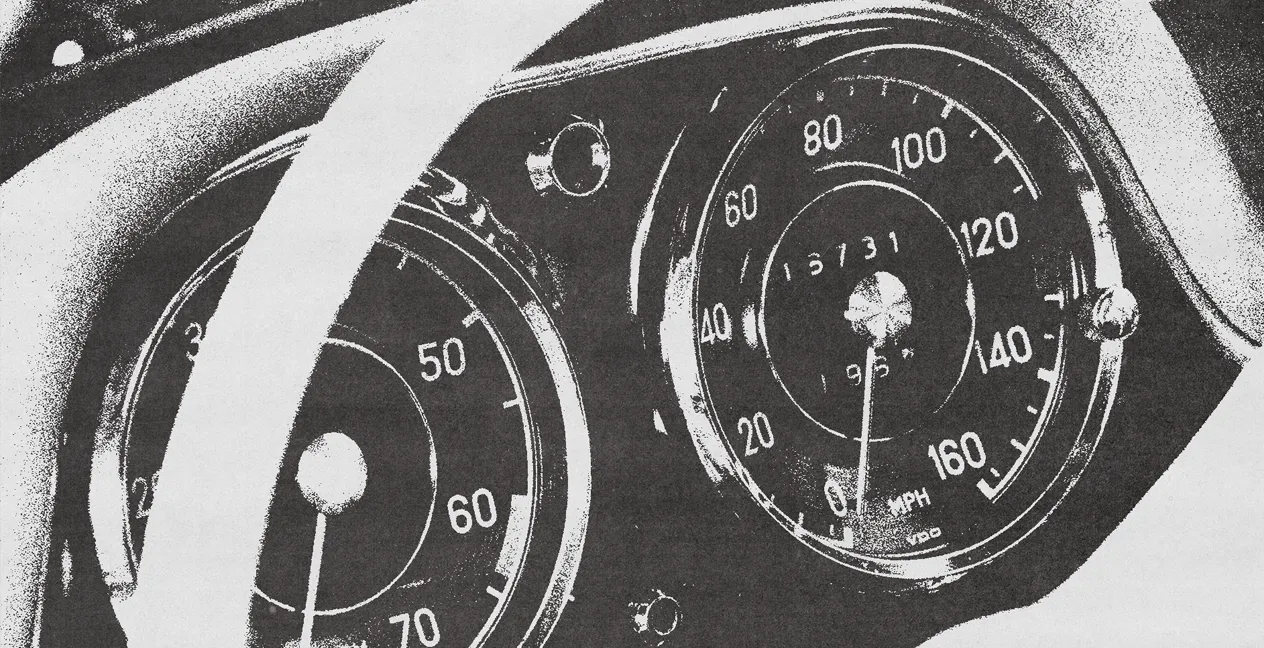
Your car’s speedometer does not display your actual speed
If you’ve ever noticed that your GPS shows a different speed from the one displayed on your car’s dashboard, don’t worry — it’s completely normal. In fact, most vehicle speedometers are intentionally designed not to display the exact real speed.
As strange as it may sound, this small difference exists for safety, legal and technical reasons.
Why does the speedometer show a higher speed?
Car manufacturers must follow strict regulations. By law, a speedometer can never display a speed lower than the vehicle’s actual speed.
In other words, the system is calibrated to “overestimate” rather than “underestimate” the real value. This means that when your dashboard shows 100 km/h, your actual speed may be slightly lower.
This margin works as an extra safety measure, helping drivers avoid unintentionally exceeding speed limits.
How big can the difference be?
In most cars, the difference usually ranges between 3% and 10%, depending on the model and vehicle conditions.
In practice:
If the speedometer shows 100 km/h, the real speed may actually be between 90 and 97 km/h
At higher speeds, the difference can become even more noticeable
This is exactly why GPS apps and speed radars often display different values from those shown on the car’s dashboard.
Tires play an important role
One of the biggest factors affecting speedometer accuracy is the condition of the tires.
The system calculates speed based on wheel rotation. Worn tires, incorrect tire pressure or tire sizes different from the manufacturer’s specifications can significantly change the displayed speed.
Generally, the smaller the tire diameter, the bigger the speedometer error becomes.
That’s why keeping your tires in good condition is important not only for safety and grip, but also for more accurate driving information.
A matter of safety and legislation
Although many drivers think this is simply an error, the difference is completely intentional.
If the speedometer displayed a lower speed than the car’s actual speed, drivers would have a much higher risk of exceeding legal speed limits without realizing it. By showing a slightly higher value, manufacturers create an additional safety margin.
This calibration also helps reduce the chances of unexpected speeding fines and contributes to safer driving overall.
Is the GPS more accurate then?
In most situations, yes. GPS systems usually provide a value closer to the real speed because they calculate movement via satellite rather than wheel rotation.
However, GPS readings can still experience small variations, especially in areas with poor signal or during sudden speed changes.
In the end, the difference between the speedometer and the real speed is completely normal and part of how modern vehicles are designed to protect drivers.
Sources: Leak, Turbo, WebMotors