
Created by Cynthia Batista at Tuesday, 26 May 2026
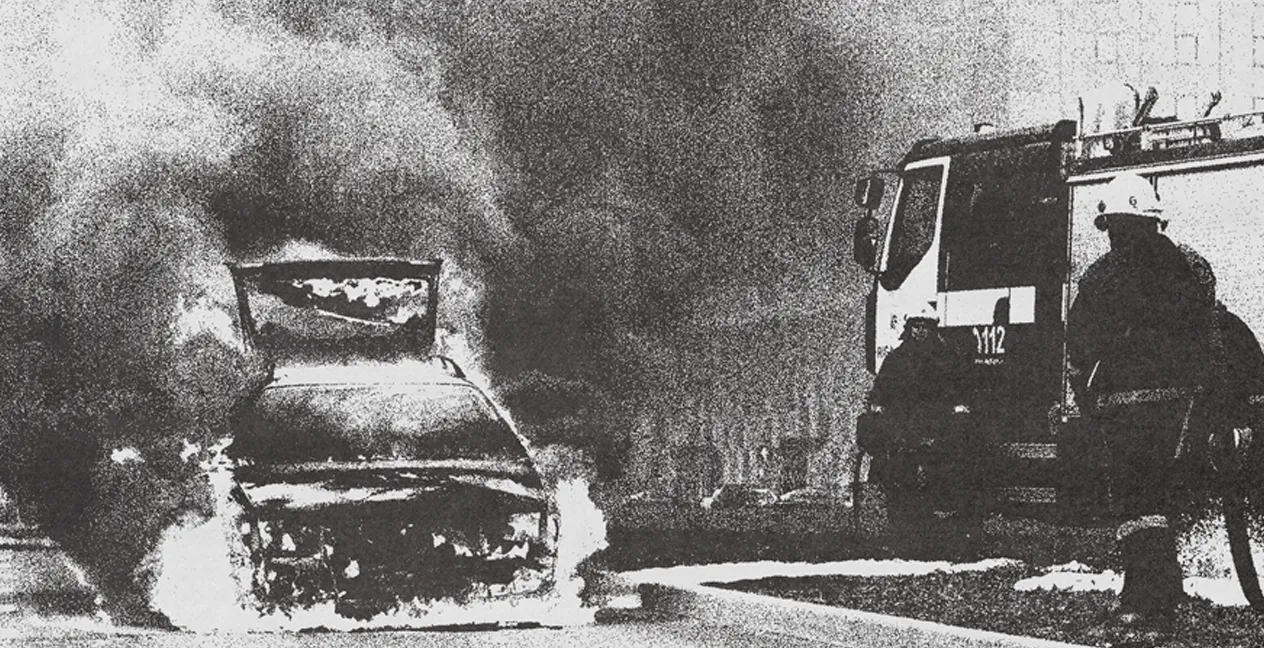
Your car caught fire? Here’s what you should do immediately
Seeing smoke coming from the hood or smelling something burning while driving is one of the biggest fears for any driver. Although it is not very common, vehicle fires can happen in both combustion and electric cars and knowing how to react in the first few seconds can make all the difference.
The absolute priority should always be the safety of the occupants, not saving the vehicle.
The first warning signs
In most cases, a vehicle fire does not start suddenly. Before flames appear, there are usually warning signs that many drivers end up ignoring.
A strong burning smell, smoke coming from the engine bay, warning lights on the dashboard, sudden power loss or even sparks near the hood may indicate that something is seriously wrong.
If you notice any of these signs, the most important thing is to stay calm and act quickly. Continuing to drive can make the situation much worse within seconds.
What should you do immediately?
As soon as you suspect the car may be catching fire:
pull over in a safe place
switch off the engine immediately
remove all passengers
leave the vehicle quickly
move away from the car
After that, put on your reflective vest, secure the area and call emergency services immediately.
The ACP also recommends avoiding stopping near dry vegetation, fuel stations or other vehicles, as the fire can spread rapidly.
Should you try to put the fire out?
It depends on how serious the fire is.
If there is only a small fire and you have access to a fire extinguisher, you may try to control the flames at an early stage. However, experts warn against one very common mistake: fully opening the hood.
Doing so may suddenly feed the fire with oxygen and cause the flames to grow violently. The recommendation is to open the hood only slightly and use the extinguisher through the small opening.
If the fire is already spreading or there is heavy smoke and flames, do not try to fight the fire alone. In that situation, the safest option is to stay away and wait for firefighters.
What if it’s an electric car?
In electric and hybrid vehicles, the procedure requires even more caution because of the high-voltage battery systems.
According to experts, battery fires can reach extremely high temperatures and may reignite even hours after apparently being extinguished.
In these situations:
move even further away from the vehicle
do not touch cables or metal parts
do not attempt to extinguish the fire with water
always inform emergency services that it is an electric or hybrid vehicle
Strange noises, thick white smoke or chemical smells may indicate battery thermal runaway one of the most dangerous situations involving EV fires.
Prevention remains essential
Most vehicle fires are linked to mechanical or electrical issues.
Fuel leaks, short circuits, engine overheating, lack of maintenance or poorly installed electrical modifications are among the most common causes.
That is why regular maintenance and never ignoring warning lights can help prevent extremely dangerous situations.
The most important thing is getting out safely
In moments of panic, many drivers waste time trying to save personal belongings or fight the fire themselves.
However, experts are clear: the most important thing is to leave the vehicle quickly and maintain a safe distance.
A car can be replaced. Your life cannot.
Sources: ACP, Insparedes