
Created by Daniela Ezequiel at Monday, 11 May 2026
Opel plans electric SUV with Chinese technology for 2028
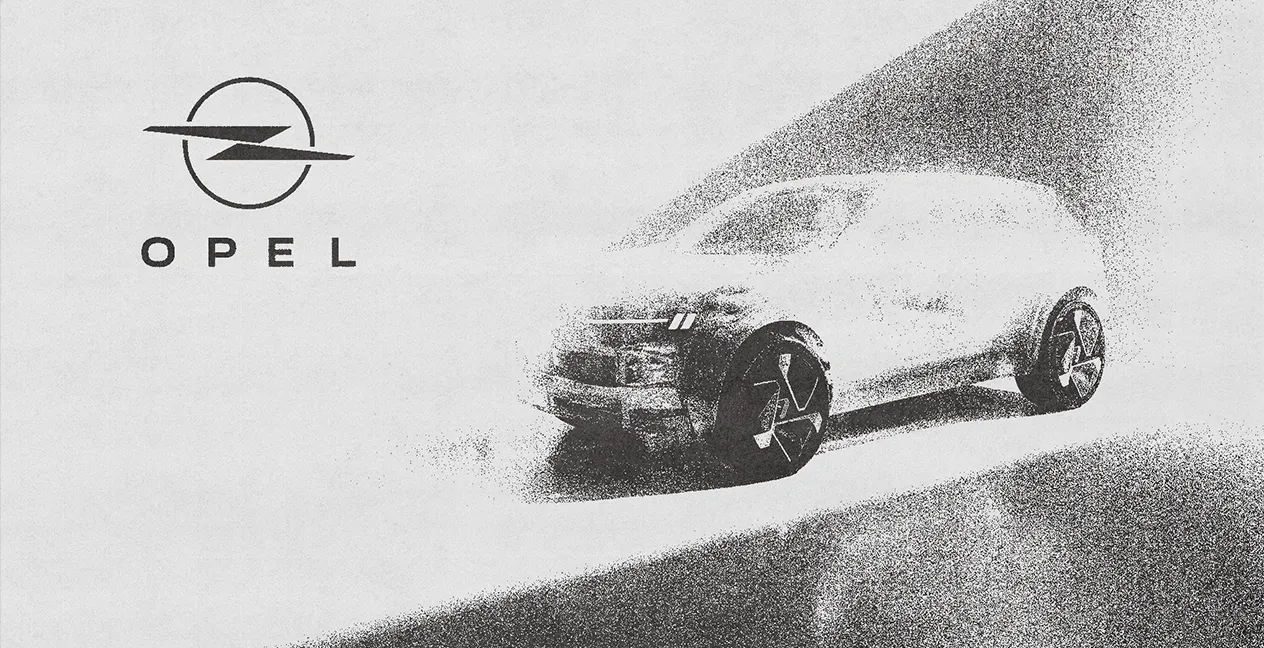
Opel is preparing a new electric SUV for the C segment, expected to arrive on the market in 2028. The model is set to reinforce the German brand’s commitment to electric mobility and will be born from a strategic collaboration with Leapmotor, the Chinese manufacturer in which Stellantis holds a stake.
This new SUV is expected to be positioned in the Opel range alongside models such as the Grandland, the Frontera, and the Mokka, but with one important difference: it will be developed using electric technology of Chinese origin, namely in terms of the platform and batteries.
A faster development process than usual
One of the most relevant points of this project lies in the development time. While the traditional cycle for creating a new car can take between four and five years, Opel intends to have this new SUV ready in less than 24 months.
This significant reduction in deadlines should be made possible thanks to the use of components and technical solutions already developed by Leapmotor. In practice, the German brand may accelerate the process of creating the new model by taking advantage of an electric base designed from the outset for battery-powered vehicles.
According to the published information, development will be carried out by teams in Germany and China. Even so, Opel intends to keep responsibility for the vehicle’s conception in Rüsselsheim, including elements such as design, ergonomics, chassis tuning, and the model’s overall identity.
Chinese technology, Opel identity
The use of a Leapmotor technical base marks an important shift in Opel’s strategy and in Stellantis’ own approach. Unlike some multi-energy platforms, designed to accommodate both combustion and electric powertrains, this solution should allow for a more focused approach to the efficiency of 100% electric vehicles.
In theory, a platform developed specifically for electric cars can bring advantages in areas such as interior space usage, weight, range, and energy efficiency. This will be an important point for a C-segment SUV, a very competitive category in the European market.
Despite the Chinese origin of part of the technology, Opel is expected to integrate some of its distinguishing elements into the model, such as Intelli-Lux LED lighting systems and AGR-certified seats, already associated with the brand’s comfort and perceived quality.
European production under study
Production of the new electric SUV may take place at Stellantis’ factory in Zaragoza, Spain. This plant has a historic connection to Opel, having produced the Corsa since 1982, and may play an important role in the group’s industrial strategy for the coming years.
The choice of a European factory would also make it possible to bring production closer to the market where the model is expected to have the greatest impact, reducing logistical distances and making use of the industrial capacity already installed within the Stellantis group.
At this stage, the project is still in the feasibility study and pre-development phase. Its final realization will depend on definitive agreements between the parties involved and on the necessary regulatory approvals.
A project with impact within Opel
The decision to rely on a Chinese technological base has also generated debate, particularly because of the impact it may have on Opel’s technical center in Rüsselsheim. According to one of the sources, the decision to use a Leapmotor platform contributed to the departure of 650 engineers linked to the brand’s traditional vehicle development.
This point shows how the electric transition is not only changing cars, but also the way they are conceived, developed, and produced. For European manufacturers, the challenge is to accelerate innovation, control costs, and respond to strong international competition without losing brand identity.
The new Opel electric SUV planned for 2028 will therefore be more than just another model in the range. It may represent a new way of developing cars in Europe, combining German engineering, European production, and Chinese electric technology.
Sources: Guia do Automóvel, Observador.