
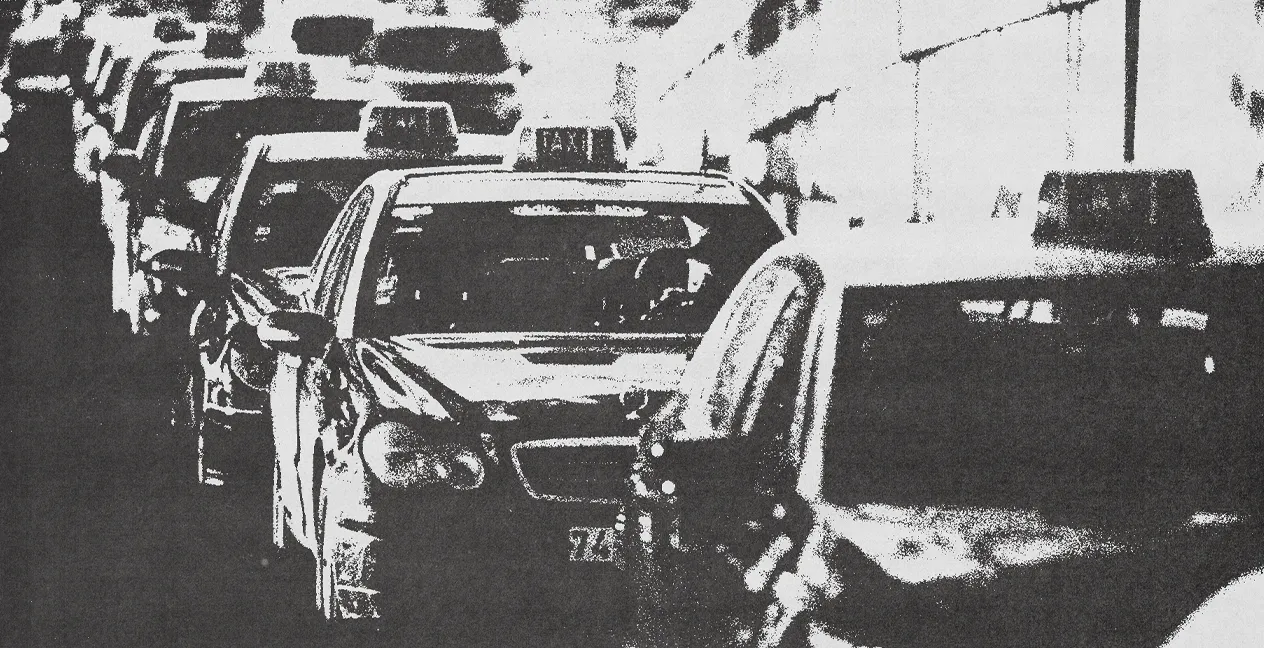
Taxis on TVDE platforms: new rules come into force on September 1
Created by Daniela Ezequiel at Tuesday, 1 September 2026
From September 1, the passenger transport sector in Portugal enters a new phase. The new law regulating TVDE activity introduces several changes, but one stands out: taxis will now be able to operate through electronic platforms.
The change results from Law No. 59/2026, of August 25, which amends the legal framework in force since 2018. With the new rules coming into effect, a vehicle licensed as a taxi may also be registered for TVDE activity, provided it meets the applicable requirements and is registered with a licensed electronic platform.
In practice, this means that the same car may operate under both systems. When carrying out a taxi service, it will have to comply with the respective rules. If the journey is booked through a TVDE platform, the rules applicable to that activity will apply.
Taxi drivers will also be able to work as TVDE drivers
The changes are not limited to vehicles. A driver who holds a valid taxi driver certificate may work as a TVDE driver without having to attend the initial training course and obtain the respective TVDE certificate.
They will, however, still be required to comply with the remaining requirements set out in the legislation and to be registered with a licensed electronic platform.
For new TVDE drivers, initial training will now have a minimum duration of 50 hours, including theoretical and practical components.
At the end, it will be necessary to take an exam with 30 questions and answer at least 27 correctly to pass.
The training will also assess functional proficiency in the Portuguese language appropriate to the exercise of the profession.
New stickers, video recording and increased enforcement
The new legislation also introduces changes to vehicle identification. Cars assigned to TVDE activity will have to display a permanent identification sticker issued by the IMT, visible from the outside and equipped with anti-fraud security features.
Another new feature is the possibility of making video recordings inside vehicles. The use of this system will be optional and will depend on the express consent of both the driver and the passenger, with audio recording not permitted.
The ban on advertising on TVDE vehicles will also be removed, allowing it under conditions similar to those applicable to taxis.
To strengthen enforcement, the creation of an electronic data-sharing platform managed by the IMT is also planned. The system will allow information relating to operators, drivers, vehicles, insurance, inspections and licences to be cross-checked, with access for entities such as the IMT, the AMT, the Tax Authority, Social Security and the security forces.
A change that is generating controversy
The possibility of taxis operating as TVDE vehicles was one of the most controversial points during the revision of the legislation.
The Mobility and Transport Authority and the Institute for Mobility and Transport argued during the process that the taxi and TVDE systems should remain separate. ANTRAL and the Portuguese Taxi Federation also opposed the change, arguing that it could create an unjustified competitive advantage and inequality between operators.
The two associations also announced their intention to ask the Constitutional Court to assess what they consider to be unconstitutional aspects of the new legislation.
The new law comes into force on September 1. The new rules relating to taxi fares are scheduled to take effect on October 1, 30 days after the new legal framework comes into force.
Sources: Razão Automóvel, Jornal de Negócios, ACP