
Created by Lucas Luís at Tuesday, 6 January 2026
How to defrost your car’s windshield
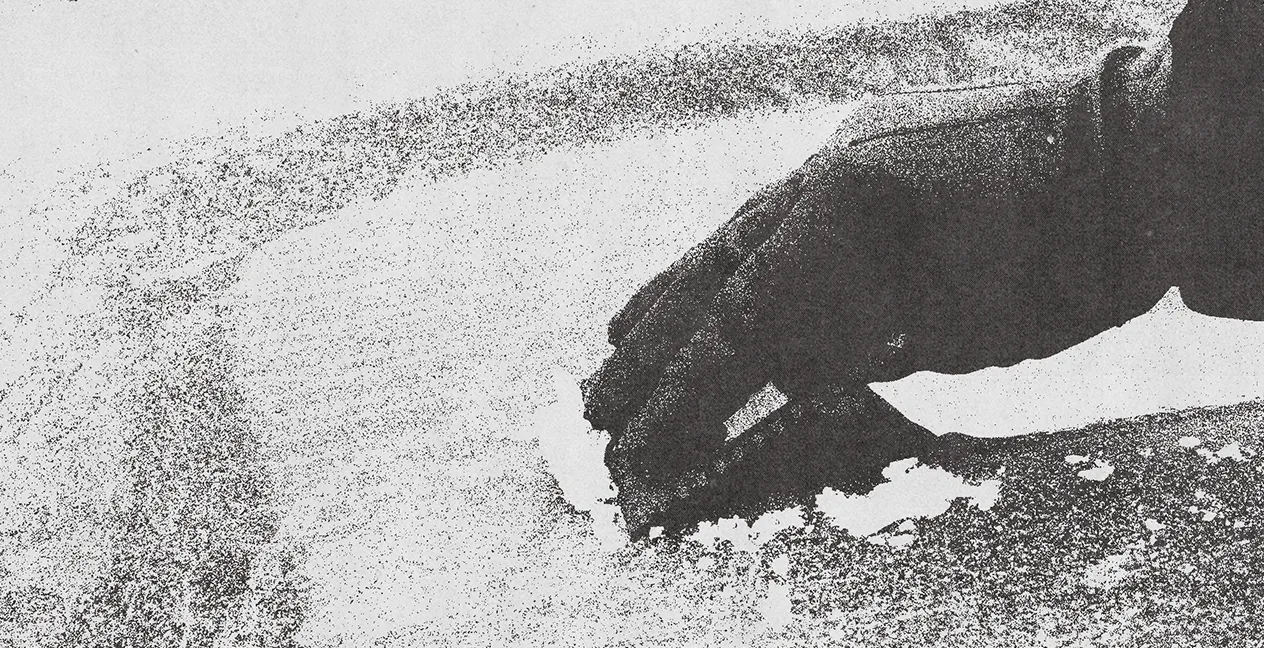
On the coldest winter days, waking up to find the windshield covered in ice is a common situation, especially for those who park their car outdoors. Besides being inconvenient, ice on the windows can delay leaving the house and, if not removed correctly, compromise safety and even cause damage to the glass itself.
Ice forms due to a sharp drop in temperature overnight. Moisture in the air condenses and, with the cold, turns into ice crystals that adhere to the glass. The good news is that there are simple and safe ways to solve the problem — and others that should definitely be avoided.
What you should not do
When faced with a frozen windshield, it’s important to resist some well-known “quick fixes” that can be potentially dangerous.
Never pour hot water over the glass. The sudden temperature difference can cause cracks or even shatter the windshield, leading to costly repairs.
Avoid activating the windshield wipers. With ice buildup, the wiper blades can be damaged and the ice may spread further across the glass.
Do not use windshield washer fluid when temperatures are below freezing. There is a risk that the fluid will freeze immediately and create a new layer of ice.
Contrary to what many people think, do not use salt. Although it helps melt ice, it can scratch the glass and cause corrosion to other vehicle components.
What you should do to remove the ice
There are effective and safe methods to defrost your car’s glass without compromising visibility or the integrity of the windshield.
An ice scraper is an essential winter tool. Use a proper scraper made of plastic or silicone, and avoid cards or improvised objects that can damage both the glass and the object itself.
A simple solution is to use rubbing alcohol. Mix two parts water with one part alcohol, put it in a spray bottle, and apply it to the glass. The ice will begin to dissolve, making removal easier.
Turning on the car’s heating system is another effective option. Direct the air toward the windshield and activate the defrost function. The process is gradual but safe and also helps improve interior visibility.
How to prevent ice on the windshield
More than removing ice, preventing its formation can save time and effort on cold mornings.
Whenever possible, park the car in a covered area. If you don’t have a garage, a windshield cover is a simple and effective solution.
There are also anti-icing products specifically designed for cars, which create a protective film on the glass and make ice formation overnight more difficult.
Another useful tip is to park the car facing the sun. Even in winter, sunlight helps melt ice more quickly in the early hours of the day.
Maintenance that makes a difference in winter
Keeping your car prepared for cold weather is essential. Regularly check the condition of the windshield wiper blades and replace them if they are dry or damaged.
Make sure the heating and defrosting system is working properly. An efficient system not only helps remove ice but also significantly improves driving safety.
Keeping the windshield clean is also important. Dirt and residue reduce the effectiveness of the heating system and make ice harder to remove.
In winter, ice on car windows can be a daily challenge, but with the right care it’s possible to deal with the situation simply, safely, and without risk. A small habit can make all the difference before setting off on the road.
Sources:
ACP and Repsol